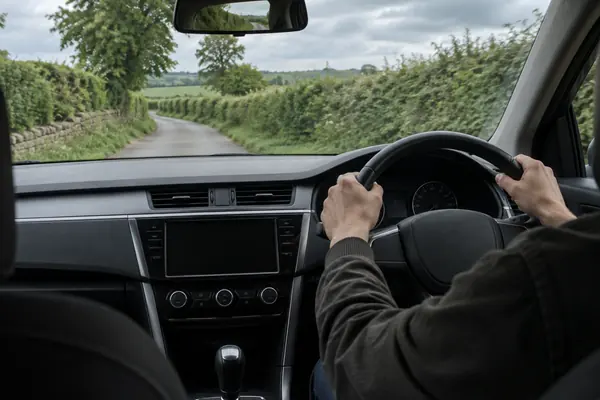

SWITCHING
Small costs add up
Lab experiments find people are slower when they change task, sometimes just a few tenths of a second per switch. Repeated many times, that adds up.
Check a switchWHAT THE RESEARCH SAYS
Multitasking often means fast switching.
The brain swaps rules each time you jump from one job to another. Each swap is small, but experiments find they add up in lost time and extra mistakes.

ONE AT A TIME fewer slips
THE SHORT ANSWER
The cost per switch is tiny.
The trouble is how often we switch.
SWITCHING
Lab experiments find people are slower when they change task, sometimes just a few tenths of a second per switch. Repeated many times, that adds up.
Check a switchINTERRUPTIONS
In a Michigan State University study of 300 people, interruptions of about three seconds doubled the error rate on a sequence task.
See the numbersDRIVING
THINK! says you are 4 times more likely to crash if you use your phone, and holding one while driving is illegal for any purpose.
The rulesA QUICK SWITCH CHECK
Pick a kind of switch to see what the research says about it. The bar shows how large the cost of switching tends to be.
Based on the American Psychological Association's summary of task-switching research and UK THINK! road safety guidance. General information only.
TWO NUMBERS WORTH KNOWING
One lab finding on interruptions,
one road safety figure.
2× errors
Error rate after a 3-second interruption
In a study of 300 people reported by Lab Manager, interruptions of about three seconds, such as typing two letters, doubled the error rate on a step-by-step computer task.
INTERRUPTIONS · MICHIGAN STATE
4× more likely
Crash risk when using a phone
The UK road safety campaign THINK! says you are 4 times more likely to be in a crash if you use your phone while driving.
PHONES AND DRIVING · THINK!
A Stanford study of about 100 students, published in 2009, found that heavy media multitaskers did worse than light multitaskers at ignoring distractions and at switching between tasks.
FOUR HABITS TO TRY
These follow from the research rather than from any one study. None of them needs an app, only a little planning.
Group emails, calls or forms together so you change the mental rules less often.
In one study, three-second interruptions doubled slips on a step-by-step task, so reach a natural pause before you look away.
Switch costs were larger for new and complex tasks, so give them an unbroken block.
Face down at work, and out of your hands completely when you drive.
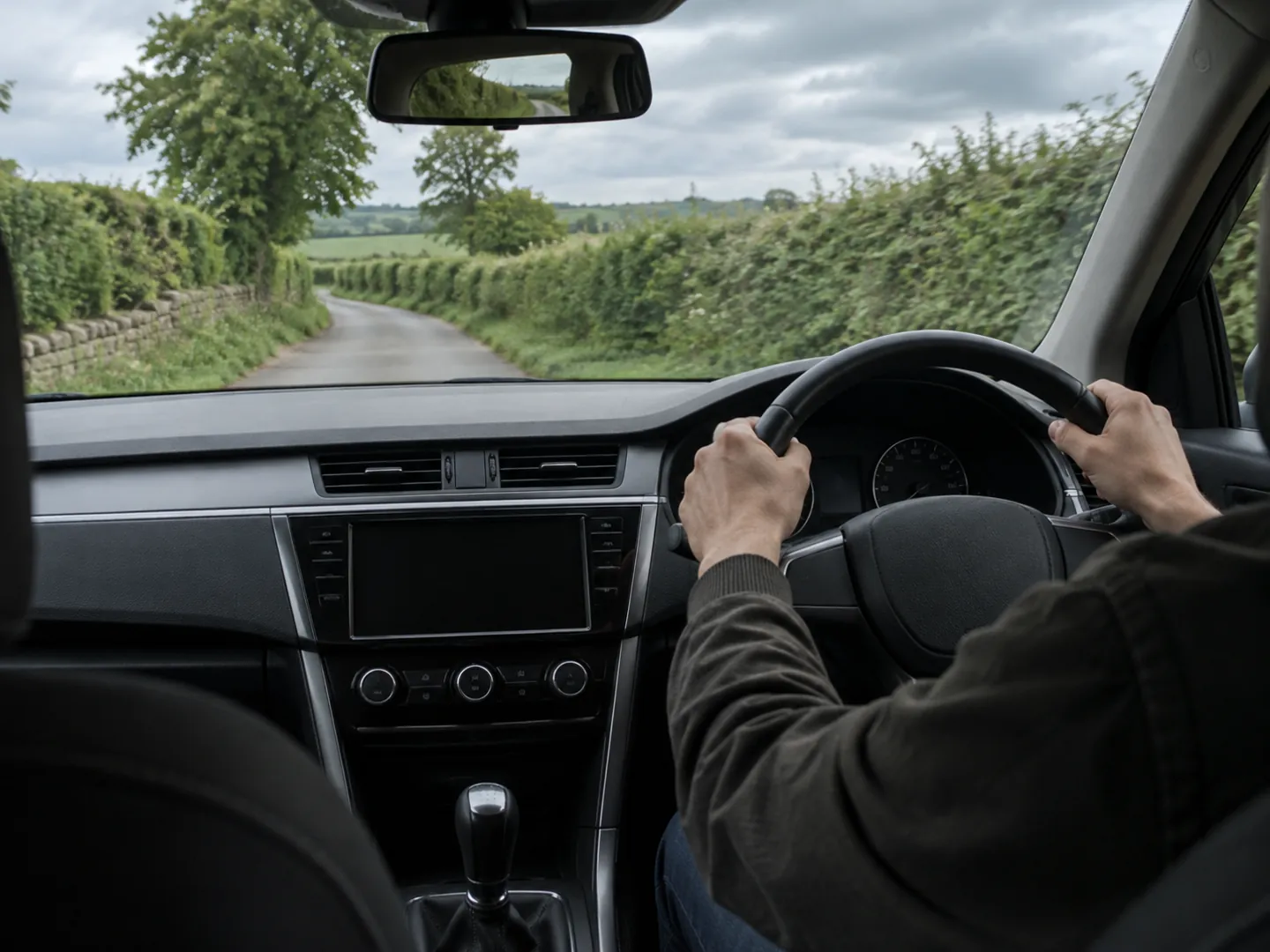
PHONES AND DRIVING

The APA notes that losing even half a second to task switching can matter for a driver on a phone at 30 mph. In Great Britain it is illegal to use a hand-held phone or similar device for any purpose while driving, even at traffic lights or in a queue.
THINK! says the penalty is 6 points and a £200 fixed penalty, and new drivers who get 6 points in the first 2 years lose their licence. Hands-free use is not a specific offence, but police can still act if it distracts you.
Questions
The APA describes multitasking as doing tasks at once, switching between them, or doing them in rapid succession. Experiments consistently find people lose time when they switch from one task to another.
Each switch can cost just a few tenths of a second. The cost grows with complex or unfamiliar tasks, and frequent switching adds up. One researcher suggested it can cost as much as 40 percent of productive time.
In a Michigan State University study of 300 people, interruptions of about three seconds doubled the error rate on a sequence-based task.
Not in a 2009 Stanford study of about 100 students: heavy media multitaskers did worse than light multitaskers at a task that required switching between letter and number judgements.
THINK! says hands-free use is not a specific offence like hand-held use, but police can still prosecute if it distracts you and affects your driving.
Sources
ABOUT THIS NAME
doodletask.com is part of the DoodleSale portfolio. It isn't in an auction right now, but you can ask about leasing it.